
The purpose of speaking is connection.
When connection fades, leadership becomes performance.
About Jimmy Cannon
What I Do
I help leaders, entrepreneurs, and senior teams speak with calm authority when it matters most.
Not louder.
Not more confident.
More reliable under pressure.
My work sits at the intersection of voice science, performance psychology, and leadership. I help capable people sound as capable as they actually are, especially in moments where pressure tends to take over.
Where This Comes From
Before I worked with leaders, I was a professional musician and voice educator. Years on stage taught me something most communication training overlooks.
When pressure rises, technique alone isn’t enough.
The voice is governed by the nervous system, not willpower.
The Turning Point
During the pandemic, almost overnight, I lost my work. I lost my father. And the stage fell silent.
With nowhere to perform, I went deeper.
I began a Master’s in Voice Pedagogy and shifted from performing to coaching. My focus moved from how a voice sounds to how it holds up under pressure.
What I Started Seeing
Boardrooms replaced concert halls, but the pattern was the same.
Highly capable people.
Clear thinkers.
Respected leaders.
And yet, when they stood to speak, something happened.
A tightening in the throat.
A voice that thinned or shook.
Words that didn’t land the way they should.
The Insight That Changed My Work
One of my first executive clients, a senior leader with an impressive career, described a persistent lump in his throat whenever he spoke in high-stakes situations.
I recognised it immediately: Globus Pharyngeus — a physical response that appears when anxiety and performance pressure collide.
Once I saw it, I couldn’t stop seeing it.
Going Beyond Voice Technique
That realisation led me to train in Acceptance and Commitment Coaching (ACT-informed methods). I wanted to understand not just how the voice works, but how the mind and body respond to stress in real time.
Not how to eliminate nerves.
How to work with them.
How I Work Today
Today, my work combines voice science, psychological flexibility, and nervous system regulation.
I help leaders stay grounded, present, and clear when attention is on them and the cost of getting it wrong feels high.
The Cannon Method®
The Cannon Method® isn’t about presentation tricks or confidence theatre.
It’s about making your voice dependable under pressure, so your authority comes through without force and your message lands without strain.
Because when your voice holds steady, people listen.

Do people really listen when you speak?
Get your score and a plan to boost confidence, clarity, and presence
In 3 minutes, identify your strengths and blind spots, then get quick actions to speak with more impact.
- Spot the habits that hold you back
- Strengthen confidence and delivery
- Command attention and influence with ease
My Background & Experience
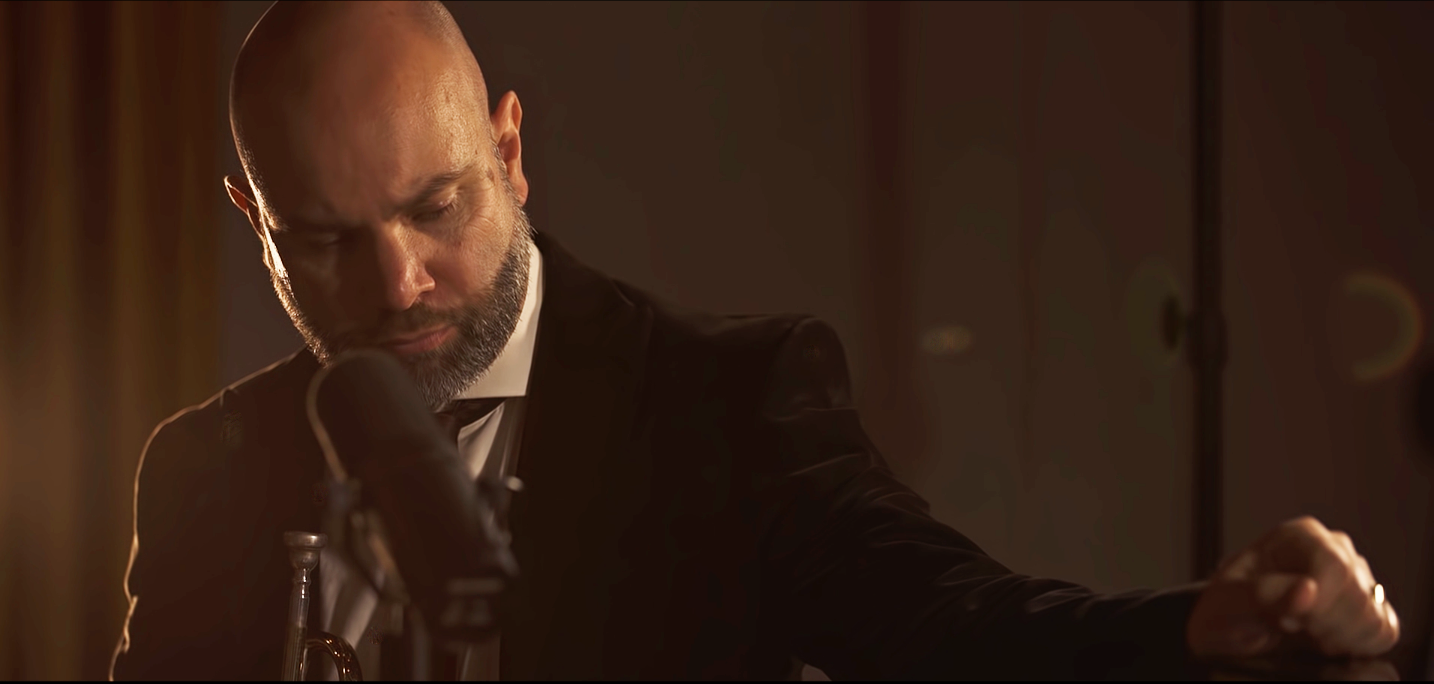
Before starting my coaching career, I spent decades as a professional singer and saxophonist, performing around the world with artists like Tom Jones and Roger Taylor of Queen.
I have flown on private jets, recorded music for global brands, and performed on stages where commanding attention was not just necessary, but essential for survival.
However, performance is not solely about entertainment; it is about influence. It involves using your voice to engage, inspire, and lead. Skills that every high-performing professional needs.
Qualifications and Coaching Approach
My work combines vocal science, performance psychology, and evidence-informed coaching to help clients thrive under pressure, whether they’re leading teams, speaking to stakeholders, or presenting ideas to the world.
Qualifications and Credentials:
Postgraduate Diploma in Jazz Performance, Trinity Laban Conservatoire (Archer Scholar)
Master’s in Voice Pedagogy, University of Wales Trinity St David
ILM Level 7 Executive Coaching and Mentoring, a postgraduate-level qualification recognised for its depth, ethical standards, and focus on senior-level coaching
Acceptance and Commitment Coaching (ACT-informed training), non-clinical, evidence-based techniques for managing performance anxiety
As a coach, I create a calm, grounded space for reflection and growth. I work with senior leaders, entrepreneurs, and technical professionals who want to communicate with greater clarity, authority, and presence.
My coaching is practical, supportive, and ethically grounded. It draws on my background in voice pedagogy, performance, and ACT, while being informed by the ethical principles of the EMCC and the Association for Coaching.
I believe coaching is about listening generously, asking better questions, and helping clients find their own answers. It is not therapy or advice.
Coaching vs Therapy
It is important to clarify what coaching is, and what it is not.
My work is non-clinical and performance-based. I do not offer counselling or mental-health therapy, and my coaching should not be used as a substitute for those services.
Coaching focuses on present-moment awareness, skill development, and behavioural change in professional contexts. Therapy, by contrast, is designed to address psychological distress or trauma.
If a client is receiving therapy, coaching can complement that process by supporting personal effectiveness, communication, and leadership, but I always stay within professional boundaries.
Ethical Standards
I follow professional codes of practice that emphasise:
Clear boundaries between coaching and therapy
Informed consent and transparency about scope and fees
Confidentiality and respect for client privacy
Ongoing supervision and reflective practice
My aim is to bring integrity, compassion, and evidence-informed skill to every session, so clients feel safe, supported, and empowered to grow.
Final Note
I have lived both sides of this journey, as a performer holding audiences, and as a coach guiding leaders to project authority, credibility, and calm under pressure.
Through The Cannon Method®, I help ambitious professionals transform how they communicate, whether they are pitching investors, leading teams, or presenting to stakeholders.
Your voice is your most powerful asset. Let’s make it resonate, with confidence, authority, and presence.
